“Social science is not just a discipline. It’s a way of seeing the world — of asking the questions that matter, of understanding the forces that shape health, wellbeing and justice. Without it, science risks becoming detached from society. With it, we have a chance to build systems that work for people, not just in theory but in practice,” says Former Prime Minister Julia Gillard.
This quote sets the scene for Social Sciences for Australia’s Future, a brand new report launched by the Academy of the Social Sciences in Australia at Parliament House in Canberra.
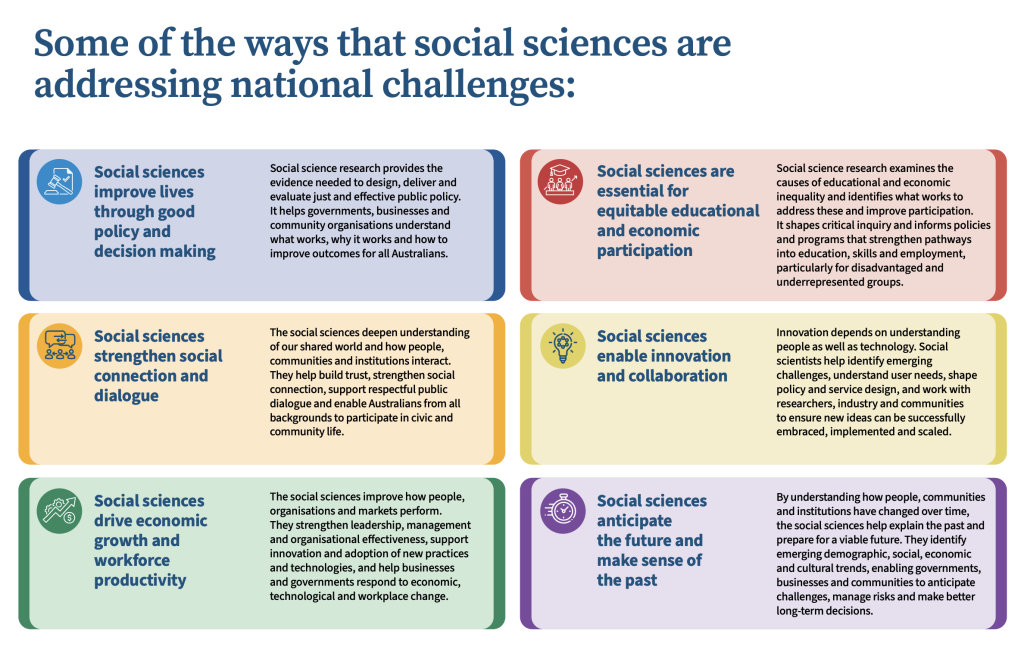
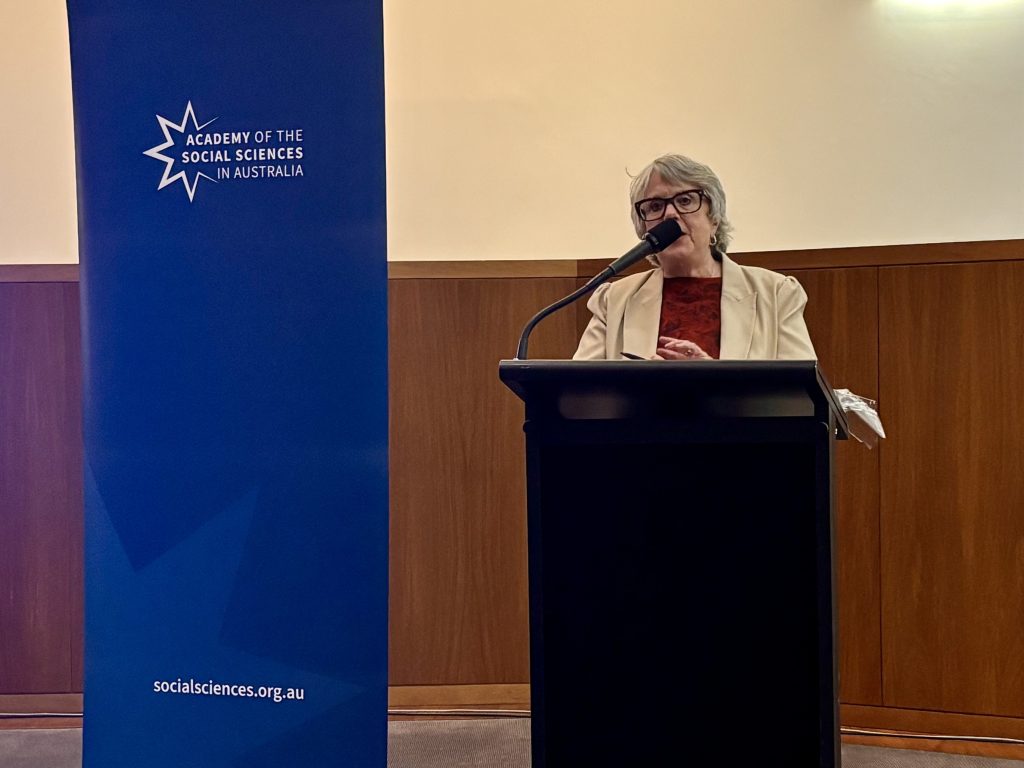
“From productivity and democratic resilience to education, health, economic participation and social cohesion, the social sciences help governments, businesses and communities make better decisions,” says Academy President Professor Kate Darian-Smith. “This report demonstrates why strong social science insights and skills are essential to Australia’s future prosperity and social wellbeing.”
From the adoption and governance of artificial intelligence to climate adaptation, productivity, health and democratic resilience, the report argues that technical solutions succeed only when they reflect how people truly live, work and make decisions.
The scale of the social sciences
The sector’s scale is significant. Nearly one-third of Australia’s workforce holds a social science qualification. Social sciences account for 51 per cent of higher education enrolments and 43 per cent of vocational education and training enrolments, with graduates heading into priority fields including education, care, psychology and community services.
Businesses introducing AI, redesigning work or responding to demographic and environmental change, will need more than technical expertise. They’ll need social and behavioural insights, ethical frameworks, effective governance and the ability to understand how change affects customers, workers and communities.
Professor Darian-Smith says Australia’s response to rapid technological, demographic, environmental and geopolitical change depends on understanding people as well as systems.
“Australia’s future will be shaped not only by what we can build and what technologies we can develop, but by how well we understand ourselves, our communities and our society,” she says.
Based on the report, stronger connections between social science, government and industry will be essential to converting knowledge into lasting national value.