
Australian University Science
Australian University Science champions university science for everyday life, industry and Australia’s future. Through stories, insights and expert perspectives, we showcase how research discoveries move from the lab into the real world, and how we educate for impact.
_

30 years of championing Australian university science
A message from Professor Melissa Brown, President, Australian Council of Deans of Science.

The engine of progress: science in Australian universities
Professor Ian Chubb shares how Australian university science churns out both groundbreaking research and the sharp minds we need for the future.

The business of universities
International student income has contributed to Australian universities becoming globally recognised institutions.

The evolution of the ACDS
A timeline celebrating 30 years of the Australian Council of Deans of Science (ACDS).

30 years of revolution in university science education
In a post-COVID world, new trends are emerging in university teaching and learning.
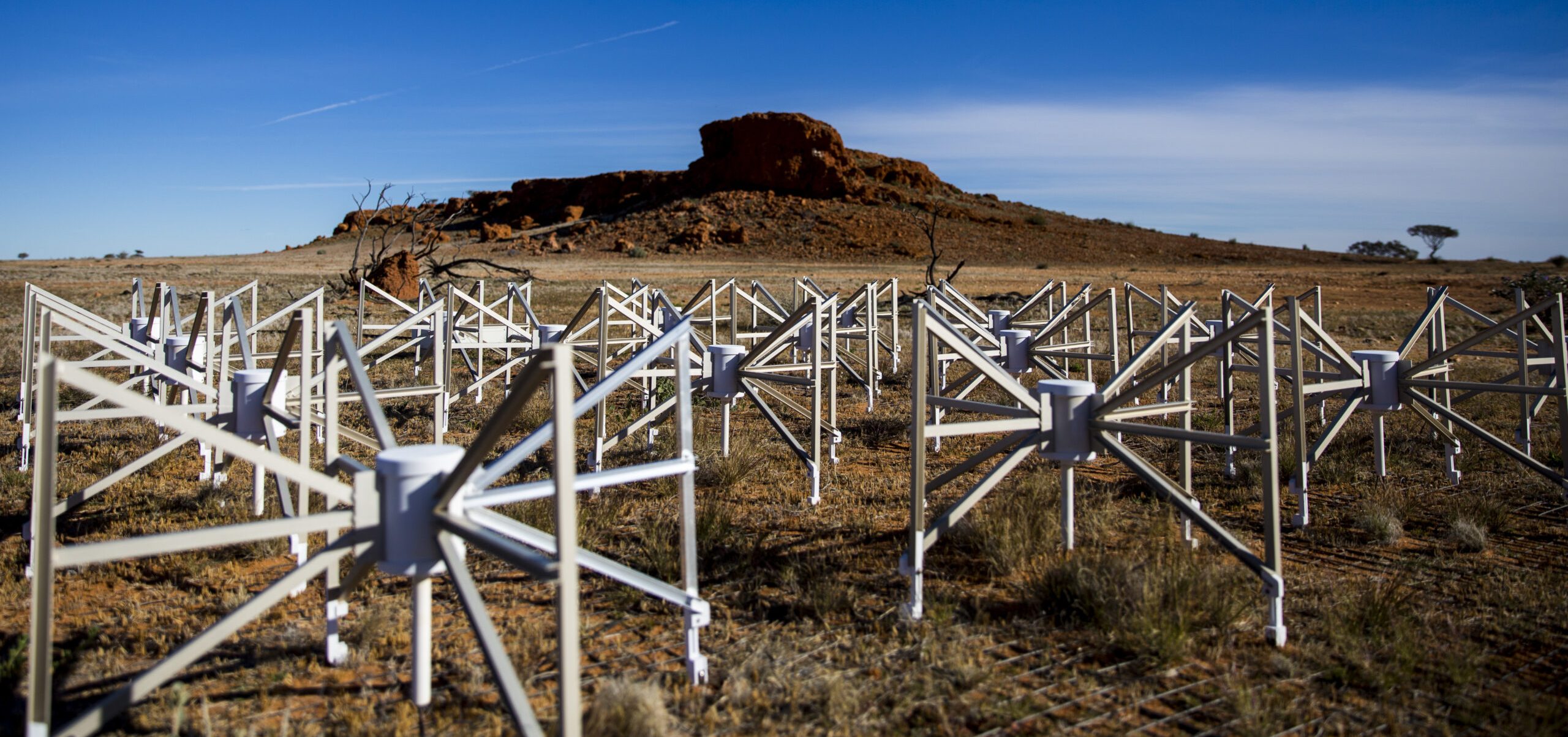
Research rewired: how strategic collaboration is changing university science
Over recent decades, the sharing of university facilities has sparked new opportunities for research excellence.

The rise of big data in science
Since the 1990s, increasingly large datasets have led to amazing findings, but bring wicked challenges that university researchers are racing to solve.
Australian University Science: driving more impactful and rewarding partnerships
The latest issue celebrates innovative collaborations between universities and industries that are driving more impactful and rewarding partnerships.
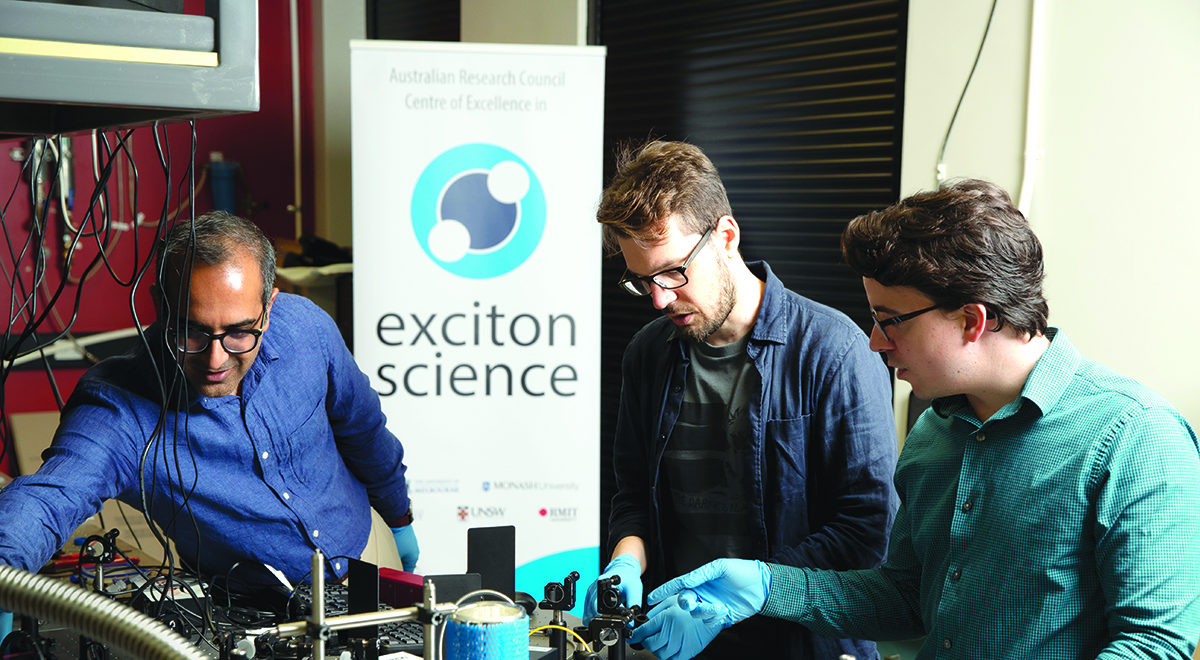
Industry and university science: partnering for impact
University science is the partner innovative Australian businesses need as they take on the tricky mission of scaling for the world stage.

Scientists of the future engaging with industry
Embedding partnerships in undergraduate and postgraduate university science courses drives deeper industry relationships

Four examples of successful long-term partnerships between universities and industry
Translating university science for the greater good is often the product of experience, networks and relationships built over several years.

Building networks for success through government initiatives
Beyond its core role to educate and create knowledge, university science plays a critical part in bringing together the people and funding to push Australia forward.

University, industry and government: collaborating for impact
Professor Attila Brungs explores how Australia’s universities and industry have a demonstrated history of joining forces to improve the world through science.

The Science Behind Net Zero: New issue of Australian University Science – out now.
As the world aims to move towards Net Zero emissions, university science is at the forefront of research and innovation.
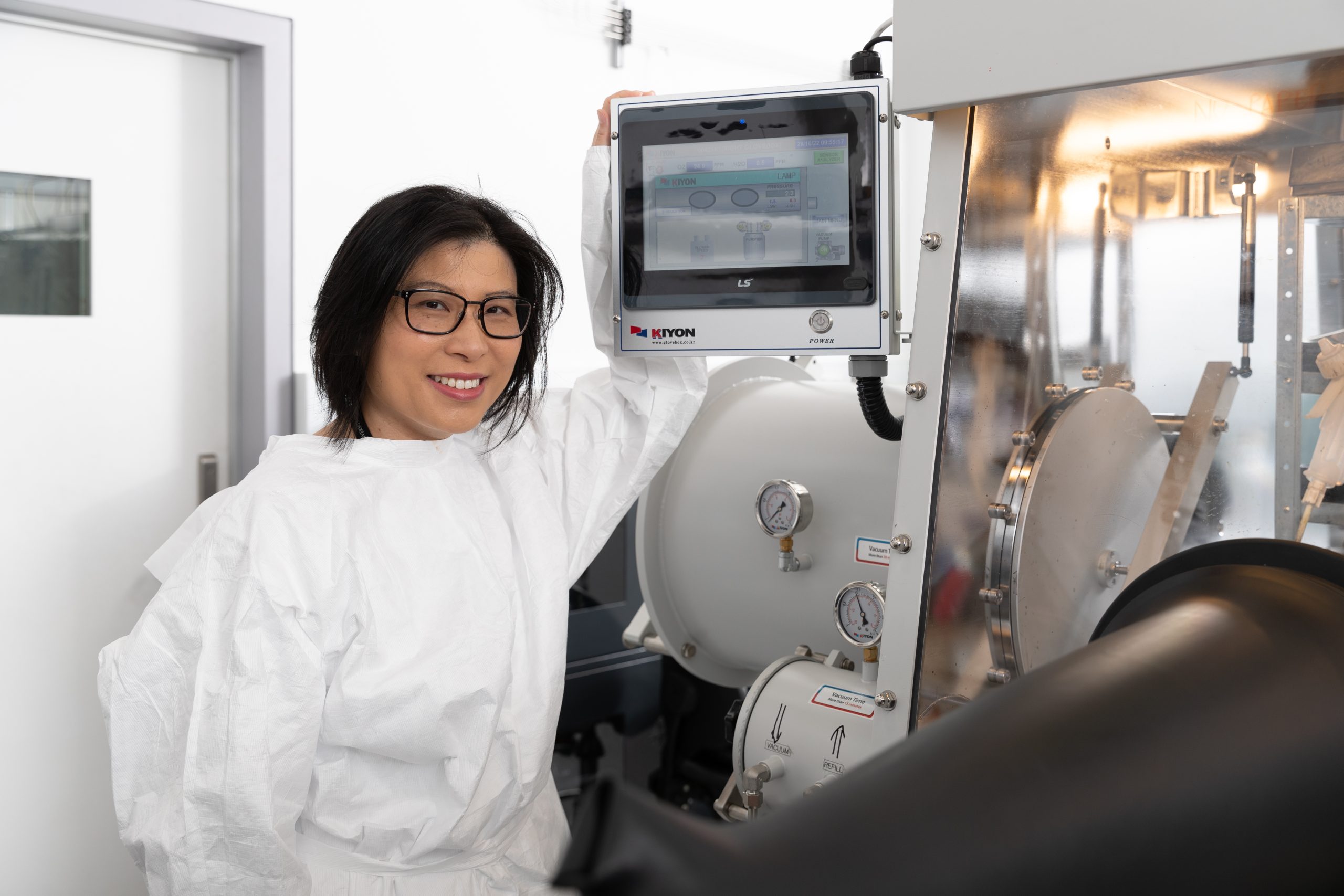
The science behind net zero
Australia’s universities are spearheading the scientific innovations critical to achieving national targets in renewable energy, storage, and reduction of emissions.

University science: poised to deliver on net zero policy
University science is uniquely placed to inform government policy: ensuring debate is grounded in scientific fact, and coordinating between industry, government and society.

5 ways Australian university science drives the energy transformation
Research and innovation across diverse disciplines are accelerating our journey to cleaner, more sustainable energy.

Universities lead the way in building energy-efficient infrastructure for a net zero future
Across the nation, universities are at the forefront of designing and implementing low energy buildings.

Universities pioneer innovative chemistry for energy storage in Australia’s Net Zero quest
While renewable energy is vital to realising net zero, storage is key to securing constant supply. For many, batteries are synonymous with energy storage.
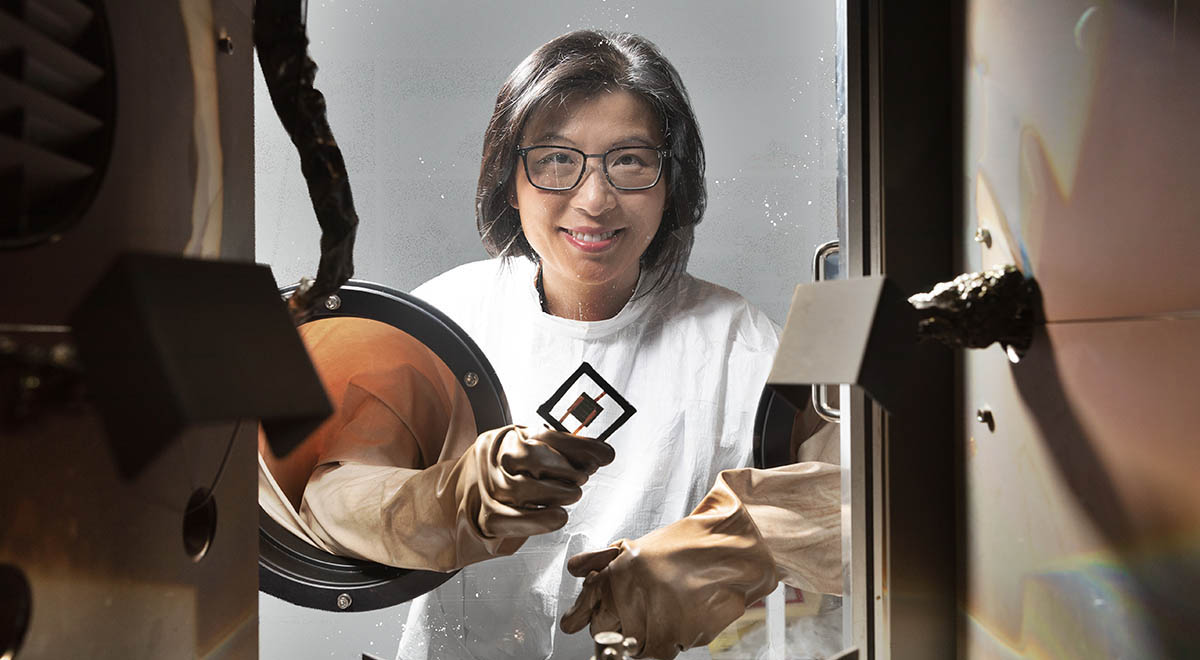
Australia targets net zero emissions with next-generation renewable energy technology
Australia plans to reach net zero emissions by 2050 and our universities are spearheading the scientific innovations to achieve it.

Innovative strategies to boost soil carbon propel Australia towards net zero emissions
Soil carbon sequestration can play a pivotal role in reducing Australia’s agricultural sector emissions.

Zero Net Emissions Agriculture Cooperative Research Centre (ZNE-Ag CRC) set to scale sustainability
The Zero Net Emissions Agriculture Cooperative Research Centre (ZNE-Ag CRC) is Australia’s largest to date. It evolved from and relies on university science.

University science underpins our journey to net zero
Achieving net zero is a grand challenge that relies on universities’ science innovation, deep history and escalating the journey forward.

Latest issue of Australian University Science out now!
Impact: What lies beneath? Australian University Science highlights the interplay between university research and industry.